
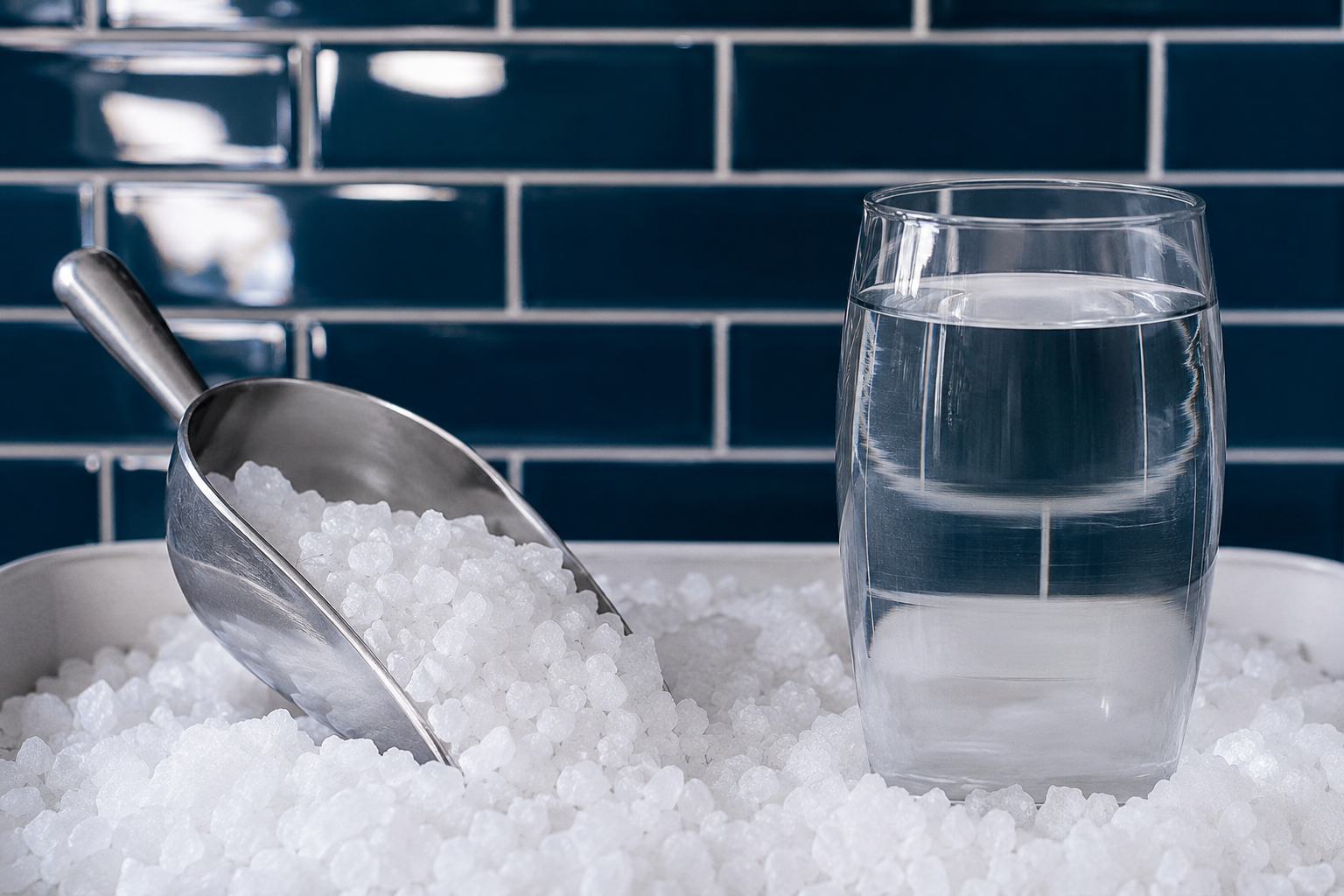
If you are comparing a salt-based vs. salt-free water softener, start with one question: Do you need true soft water, or do you only need scale control?
That matters in Indianapolis, where hard water can leave spots, reduce soap performance, clog fixtures, and stress appliances or commercial equipment. Salt-based and salt-free systems work differently. One removes hardness minerals. The other changes how those minerals behave.
Salt-Based Water Softeners
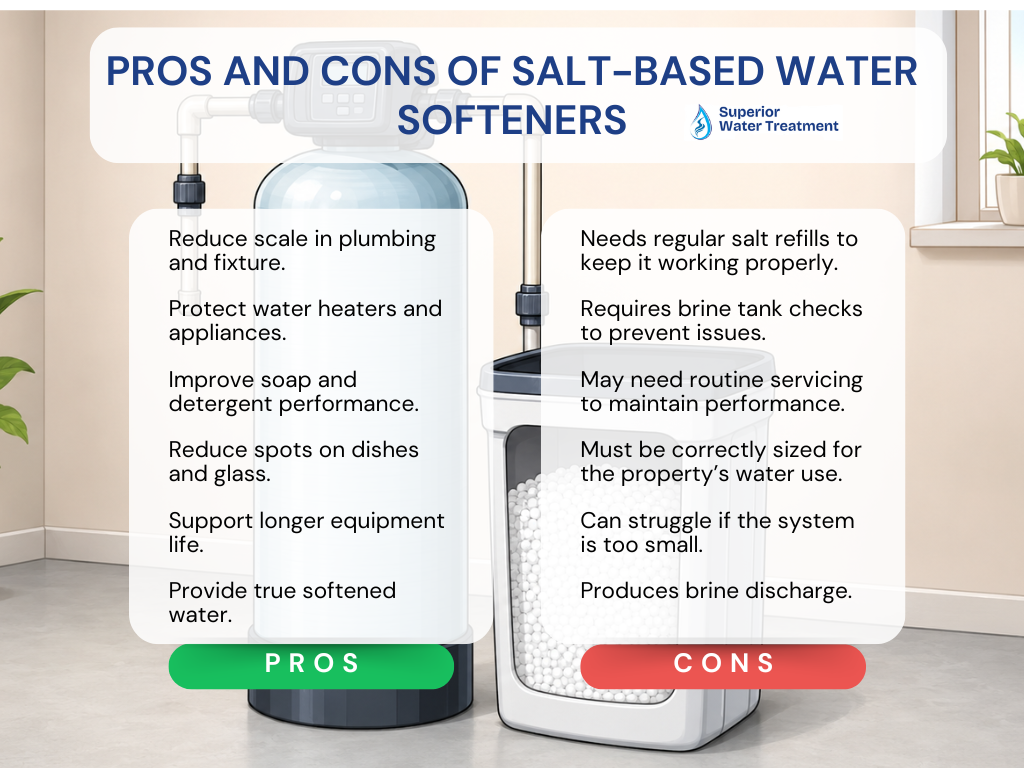
Salt-based water softeners are the standard choice for true water softening. They remove calcium and magnesium, the minerals that make water hard.
A salt-based water softener system is often the better fit when you see spots on glassware, faucet buildup, dry-feeling skin, soap scum, or scale inside equipment.
For commercial properties, hard water can shorten the life of dishwashers, water heaters, ice machines, boilers, laundry machines, and plumbing parts.
How Do Salt-Based Water Softeners Work?
Ion exchange is the key to understanding salt-based water softeners. Water moves through a resin tank. Resin beads attract calcium and magnesium. The system replaces those hardness minerals with sodium or potassium ions, producing softened water.
After a set amount of water passes through the system, the resin recharges with brine from the salt tank. That is why salt matters. A water softener salt delivery plan can help prevent missed refills, especially for busy properties or businesses.
Common Signs You May Need Water Filtration
Salt-based systems work well when hard water is causing problems.
They can help:
- Reduce scale in plumbing and fixtures.
- Protect water heaters and appliances.
- Improve soap and detergent performance.
- Reduce spots on dishes and glass.
- Support longer equipment life.
- Provide true softened water.
Superior Water Treatment uses high-efficiency Clack valve systems and 10% crosslinked resin. That resin has 25% more crosslinking than standard 8% resin, which can result in longer system life and steady performance.
Cons of Salt-Based Softeners
Salt-based systems need routine care. You need to add salt, check the brine tank, and schedule service when needed.
They also need correct sizing. A system that is too small can fall behind during peak use. A system that is too large can cost more than needed.
Some property owners prefer a water softener without salt because they do not want to manage refills or brine discharge. However, if the goal is soft water, salt-based systems do a better job.
Salt-Free Water Conditioners
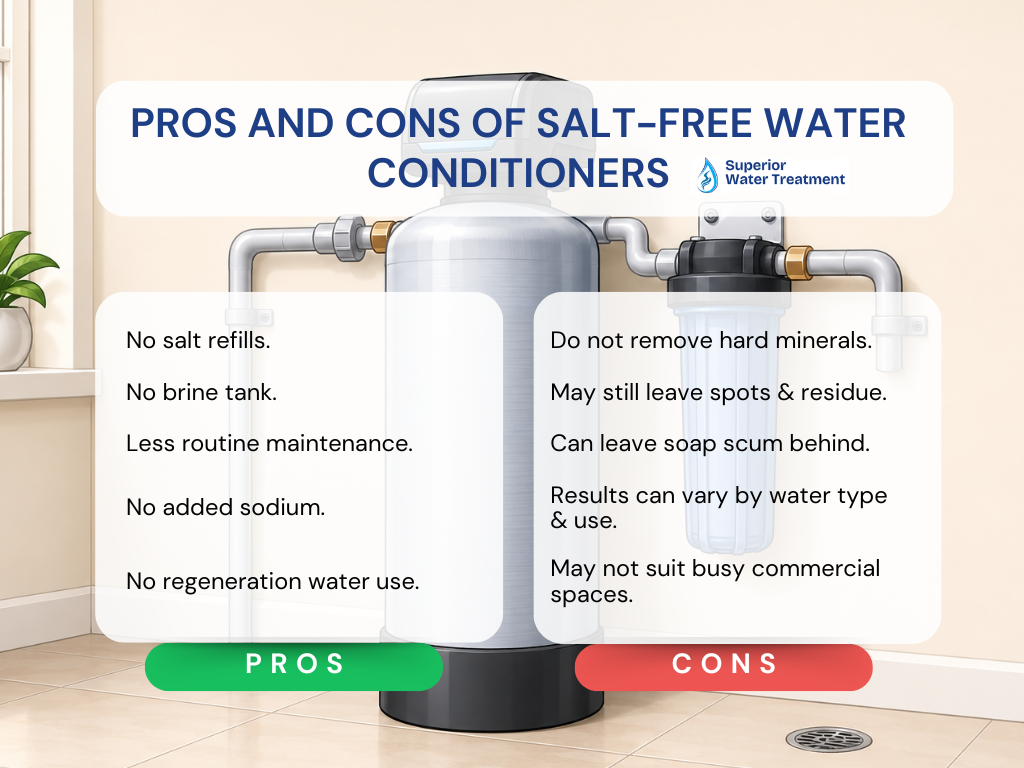
Salt-free water conditioners are often marketed as a lower-maintenance choice. They do not need salt, use a brine tank, or go through the same regeneration process.
But the name can be confusing. A salt-free water softener is not usually a true softener.
A non-salt-based water softener, non-salt water softener, or non-salt-based softening system typically conditions minerals instead of removing them. That difference matters.
How Does a Salt-Free Water Conditioner Work?
Most salt-free systems use a media bed or conditioning process that changes the form of hardness minerals. The minerals stay in the water, but they may be less likely to stick to pipes, fixtures, or heating surfaces.
They do not soften water like salt-based systems do. They do not remove calcium and magnesium. They simply condition the water.
Pros of Non-Salt-Based Water Softeners
A non-salt-based water softener can make sense for some homes and light-use properties.
Common benefits include:
- No salt refills.
- No brine tank.
- Less routine maintenance.
- No added sodium.
- No regeneration water use.
A salt-free system may work when water hardness is mild, and the main goal is light scale control. It can also fit some small offices or light commercial spaces with lower water demand.
Cons of Salt-Free Soft Water Systems
Salt-free soft water systems have limits.
The biggest limit is simple: they do not remove hard minerals.
That means you may still see spots, soap scum, dry-feeling water, and residue on fixtures. Performance can also vary based on water chemistry, temperature, flow rate, and usage.
For restaurants, apartments, salons, gyms, and other commercial spaces, salt-free systems may not provide enough protection.
Which System Saves More Long-Term in Indianapolis?
The better long-term choice depends on your water and your property.
If hard water is damaging equipment, clogging fixtures, or causing frequent cleaning and service issues, a salt-based system often saves more over time because it removes the minerals behind those problems.
If your water hardness is mild and you only want scale control, a salt-free conditioner may be enough.
Indianapolis has some of the hardest water in the country.. For homes, that can mean more cleaning, shorter appliance life, and poor soap performance. For businesses, it can mean repair calls, downtime, tenant complaints, or equipment wear.
Before choosing, test your water. Then match the system to the hardness level, flow rate, property size, and usage. A local water treatment company can help you avoid guessing.
Commercial Properties: Which Option Makes More Sense?
Commercial properties need a system that fits demand.
For many businesses, salt-based water softeners make more sense because they remove hardness minerals and protect high-use equipment.
Superior Water Treatment can also support ongoing service, water softener salt delivery, and superior salt options for properties.
Restaurants and Food Service
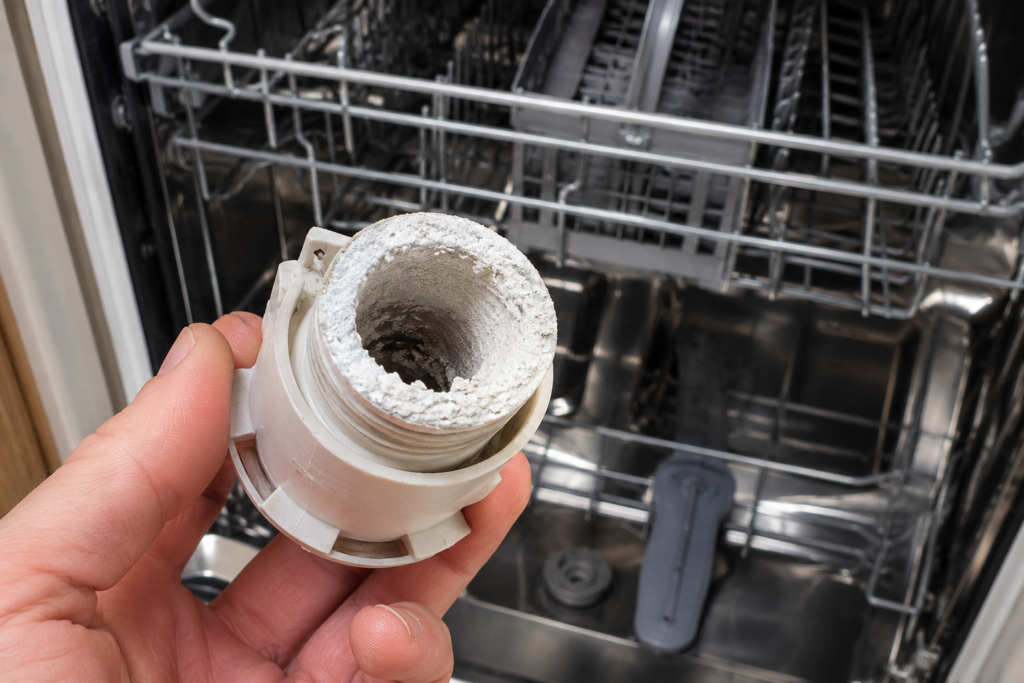
Restaurants use water all day. Dishwashers, ice machines, coffee makers, steamers, water heaters, and glass washers all take a hit from hard water.
A salt-based system can help reduce scale and support cleaner results. Salt-free systems may help with light scale control, but they generally do not go far enough for busy kitchens.
Apartment Buildings and Property Management
Property managers need systems that reduce complaints and protect shared equipment.
Hard water can affect water heaters, fixtures, laundry areas, and unit plumbing. A properly sized salt-based system can help protect the building and improve water quality for tenants.
Salt-free systems may work for smaller buildings with mild hardness, but larger properties often need true softening.
Offices, Salons, Gyms, and Light Commercial Use
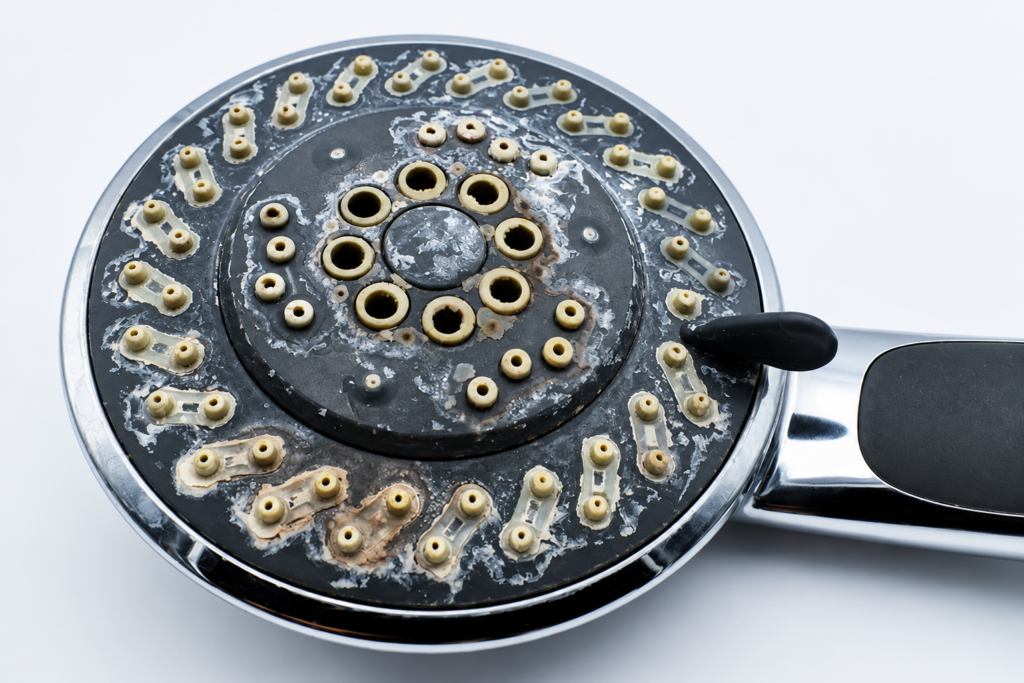
Offices, salons, gyms, and light commercial spaces have different needs.
A small office may only need scale control. A salon may need softer water for rinsing, fixtures, and daily client use. A gym may need protection for showers, laundry, and water heaters.
A water test and site review can show whether a salt-based system or salt-free conditioner fits better.
FAQs
Here are answers to common questions about water softeners:
Is a Salt-Free Water Conditioner the Same as a Water Softener?
No. A salt-free water conditioner does not remove hardness minerals the way a salt-based water softener does. Instead, it helps reduce how minerals stick to surfaces.
A true salt-based water softener removes calcium and magnesium through ion exchange.
Which Is Better for Hard Water, Salt-Based or Salt-Free?
A salt-based water softener is usually better for hard water because it removes hardness minerals. Salt-free systems may help with scale control, but they do not produce truly softened water.
For homes and commercial properties in Indianapolis with noticeable hard water problems, a properly sized salt-based system is often the better solution.
Do Salt-Based Water Softeners Require a Lot of Maintenance?
No. Salt-based water softeners usually require simple routine maintenance. The main tasks are adding salt, checking the brine tank, and scheduling periodic service.
High-quality systems from Superior Water with Clack valves and 10% crosslinked resin can help support longer system life and dependable performance.
Which System Saves More Money Long-Term?
A salt-based water softener often saves more in the long term when hard water is damaging plumbing, fixtures, appliances, or commercial equipment.
Salt-free systems may have lower maintenance needs, but they do not remove hardness minerals. The right choice depends on water hardness, property size, usage, and whether the goal is scale control or true softening.
Get Help Choosing the Right Water Treatment System
Choosing between a salt-based and a salt-free water softener starts with a water test. If you need true soft water, a salt-based system is often the stronger choice. If you only need light scale control, a salt-free conditioner may be enough.
Superior Water Treatment can review your water hardness, usage, property type, and service needs. Contact Superior Water Treatment to compare water softeners, ask about superior salt, or set up water softener salt delivery for your home or commercial property.