
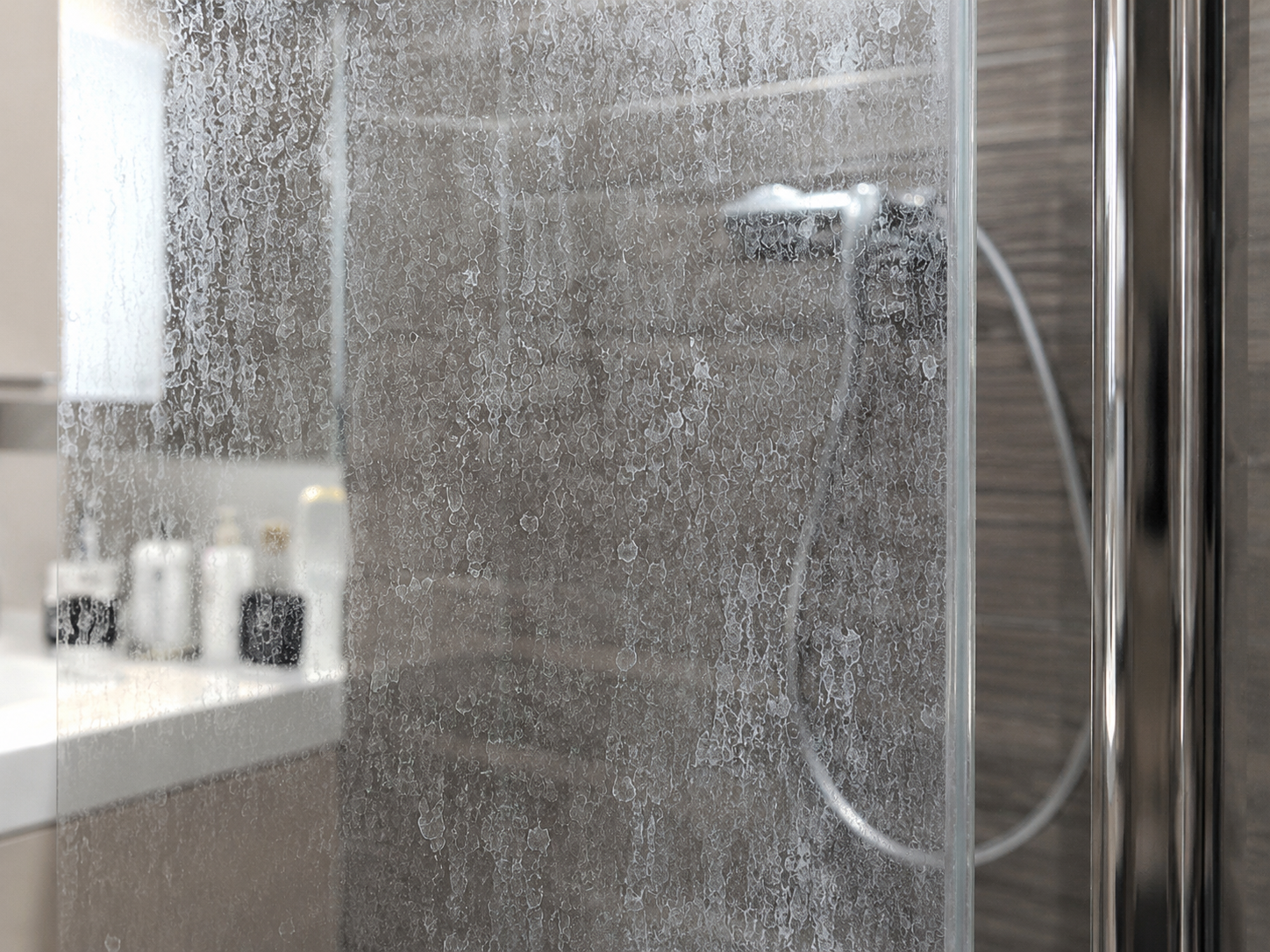
The difference between soft water and hard water comes down to mineral content. Hard water has higher levels of calcium and magnesium. Soft water has those hardness minerals removed or reduced.
That difference affects how water feels, how well soap works, and how long appliances and fixtures last. In Indianapolis, where we have some of the hardest water in the country, many homes and businesses notice hard water signs every day.
The right system depends on your water test, property size, and daily water use. Properly sized water softeners can reduce scale, protect equipment, and make water easier to use.
What is Hard Water?
Hard water contains dissolved minerals, mainly calcium and magnesium. These minerals enter water as it moves through rock, soil, and underground sources.
Over time, hard water can leave white scale on faucets, spots on dishes, buildup in showerheads, and mineral deposits inside appliances.
For homes, that can mean more cleaning and shorter appliance life. For businesses, it can mean more service calls and less reliable equipment performance.
Is Hard Water Bad for You?
Hard water is generally safe to use. The main issue is what it does to plumbing, fixtures, and equipment.
Hard water can reduce soap lather and leave residue on skin, hair, dishes, and laundry. It can also build scale inside water heaters, dishwashers, boilers, ice machines, and coffee equipment.
For commercial properties, small water problems can turn into operating costs.
What is Soft Water?
Soft water has lower levels of calcium and magnesium. In most homes and businesses, soft water comes from a salt-based water softener system.
So, how do salt-based water softeners work? Water passes through resin beads that attract hardness minerals. The system removes calcium and magnesium through ion exchange, then uses brine during regeneration to clean the resin.
Salt-based water softeners are the standard option for true softening. Salt-free water conditioners work differently. They condition minerals so they may be less likely to stick, but they do not remove hard minerals.
Is Softened Water Safe to Drink?
Softened water is generally safe to drink for many households. People on sodium-restricted diets may want to talk with a healthcare professional or add a separate drinking water system.
A water treatment company can test your water and explain your options. Some homes use a softener for the whole house and filtration at the kitchen sink for drinking water.
Benefits of Soft Water
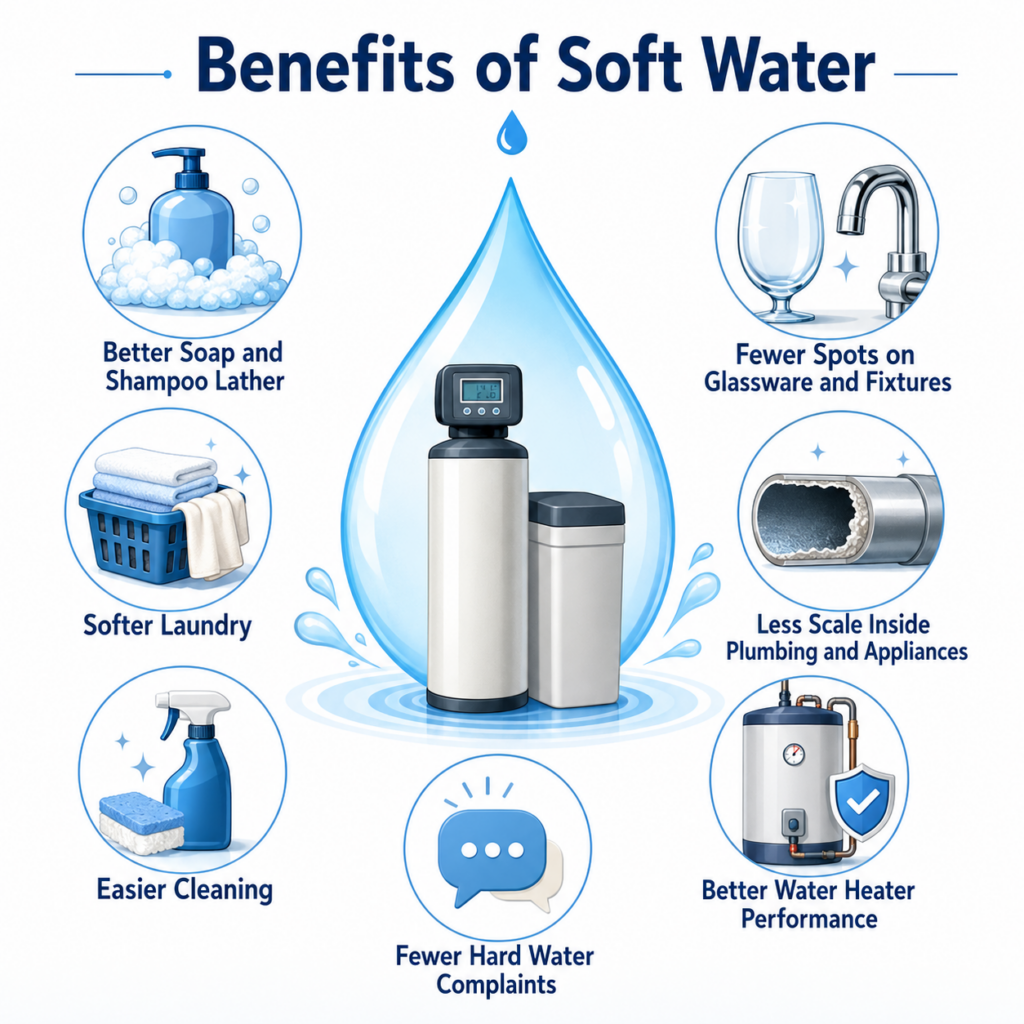
Soft water can make daily water use easier and reduce long-term wear on your home or business.
Common benefits include:
- Better soap and shampoo lather.
- Fewer spots on glassware and fixtures.
- Fewer scales inside plumbing and appliances.
- Softer laundry.
- Easier cleaning.
- Better water heater performance.
- Fewer hard water complaints.
For commercial properties, soft water can help protect dish machines, laundry equipment, water heaters, boilers, and fixtures.
Superior Water Treatment uses high-efficiency Clack valves and 10% crosslinked resin. That resin has 25% more crosslinking than standard 8% resin, which can result in greater durability and superior performance.
Disadvantages of Soft Water
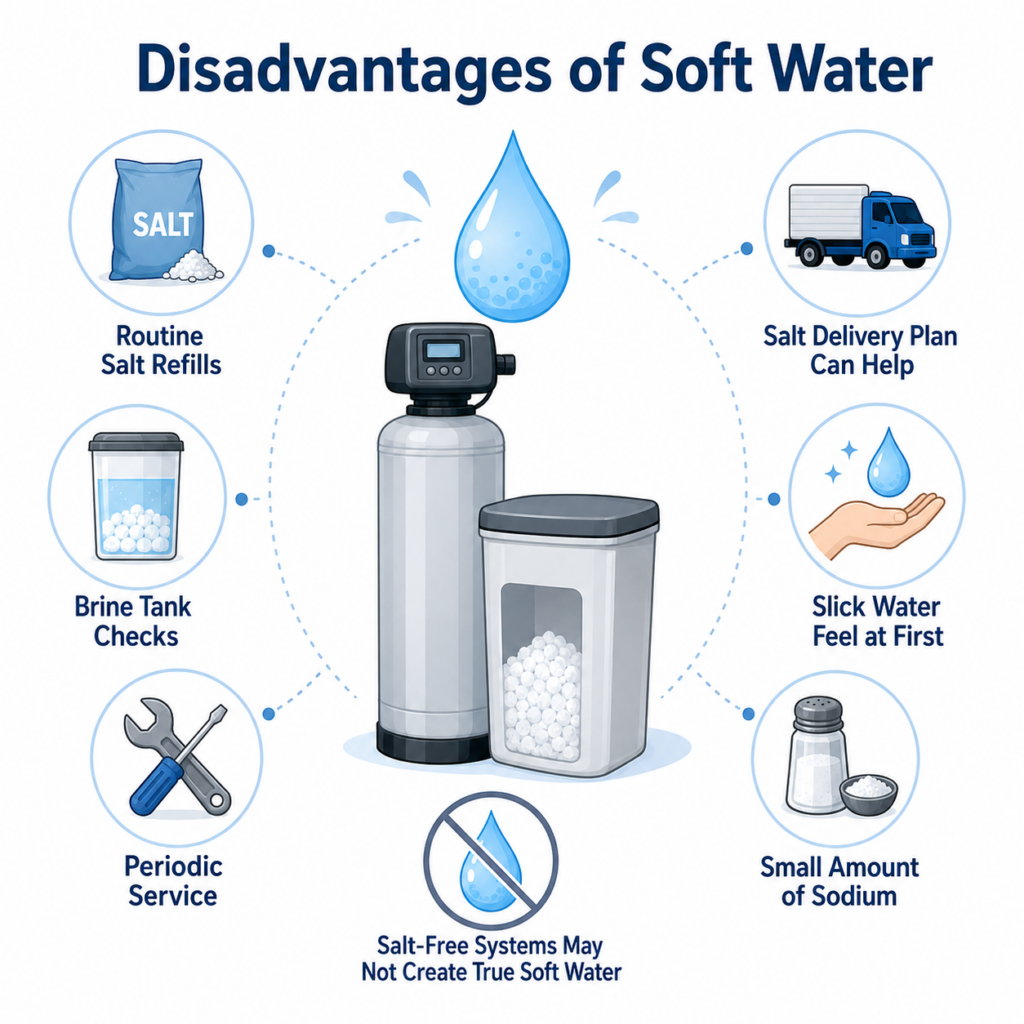
Soft water is useful, but it still needs the right setup.
Salt-based systems need routine salt refills, brine tank checks, and periodic service. A water softener salt delivery plan can help keep the system running without missed refills.
Some people do not like the feel of soft water at first. It can feel slick because soap rinses differently when hard minerals are removed.
Softened water may also add a small amount of sodium. A water softener without salt may seem simple, but it usually does not create true soft water.
How to Get Soft Water At Home
The most common way to get soft water at home is to install a properly sized water softener.
A professional should test your water first. Then the system should be matched to the hardness level, household size, plumbing, and daily use.
A salt-based water softener system is usually best when the goal is true soft water. A non-salt-based water softener or non-salt-based softening system may help with light scale control, but it will not remove calcium and magnesium.
Superior Water Treatment can help compare salt-based systems, salt-free water conditioners, and filtration if taste or odor is also a concern.
Differences Between Soft and Hard Water
The main difference between soft and hard water is mineral content.
Hard water contains calcium and magnesium. Soft water has those minerals removed or reduced.
Hard water can leave scale, spots, and residue. Soft water can reduce those problems and help soap work better.
Hard water can be tough on water heaters, dishwashers, fixtures, and commercial equipment. Soft water can help reduce that wear.
How to Tell If You Have Soft or Hard Water
You can often spot hard water by looking at fixtures, dishes, laundry, and appliances. But a water test is the only reliable way to measure hardness.
Testing gives you a clear number. That helps size the system correctly and avoid spending money on the wrong equipment.
Signs You Have Hard Water
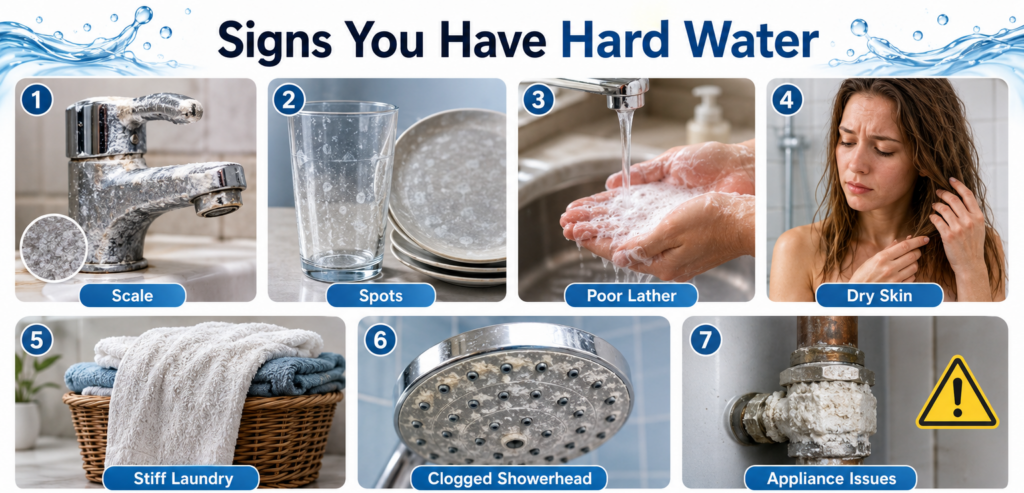
You may have hard water if you notice the following:
- White scale around faucets.
- Spots on dishes and glassware.
- Soap that does not lather well.
- Dry-feeling skin or hair.
- Stiff towels or laundry.
- Clogged showerheads.
- Water heater or appliance issues.
In commercial buildings, hard water may also show up as fixture complaints, dish machine problems, laundry issues, or scale inside equipment.
Signs You Have Soft Water
Soft water usually feels different. Soap lathers more easily. Dishes come out cleaner. Fixtures have a less visible scale. Laundry may feel softer.
You may also notice that cleaning takes less scrubbing because mineral residue is reduced.
If your softener is working well, salt levels should drop over time. Using superior salt and routine maintenance can help reduce brine tank problems.
How Hard Water Affects Homes and Businesses Differently
Hard water affects every property, but the cost can look different.
Homes often feel the effects through comfort, cleaning, laundry, and appliance wear. Businesses feel it through service calls, equipment performance, customer experience, and tenant satisfaction.
That is why sizing and system quality matter.
Homes and Appliances
At home, hard water can affect water heaters, dishwashers, washing machines, faucets, and showerheads.
Scale can build up inside equipment and reduce performance. Soft water can help protect those systems and make cleaning easier.
Restaurants and Commercial Kitchens
Restaurants depend on water for dishwashing, ice, steam, coffee, and cleaning.
Hard water can leave spots on glassware, create scale in equipment, and raise maintenance needs. A properly sized softener can support smoother kitchen operations.
Apartment Buildings and Tenant Complaints
In apartment buildings, hard water can create repeated complaints. Tenants may notice spots, buildup, dry-feeling water, or laundry problems.
A building-wide system can help protect shared equipment and improve daily water use across units.
Water Heaters, Boilers, and Fixtures
Water heaters, boilers, and fixtures are some of the first places hard water causes problems.
Scale can collect inside tanks, heating surfaces, valves, and fixtures. Over time, that can affect efficiency and service life.
That is why many commercial properties treat softening as equipment protection, not just a comfort upgrade.
FAQs
Here are answers to common questions about hard water and water softeners:
Is Hard Water Bad for Your Home?
Yes, hard water can be hard on your home, even if it is generally safe to use. Minerals can leave scale, reduce soap performance, and shorten appliance life.
Is Soft Water Safe to Drink?
Yes, softened water is generally safe to drink for many households. People on sodium-restricted diets may want to talk with a healthcare professional or consider a separate drinking water system.
How Can I Tell If I Have Hard Water?
You may have hard water if you notice spots on dishes, scale around faucets, dry-feeling skin, stiff laundry, or poor soap lather.
The most reliable way to confirm hard water is with a water test.
How Do I Get Soft Water at Home?
You can get soft water at home by installing a properly sized water softener matched to your hardness level, household size, and daily usage.
Superior Water Treatment can test your water and recommend a durable system with Clack valves and 10% crosslinked resin.
Get Softer Water at Home With Superior Water Treatment
Soft water vs. hard water is not just about how water feels. It affects cleaning, fixtures, appliances, plumbing, and commercial equipment.
Superior Water Treatment can test your water, explain your hardness level, and recommend the right system for your home or business.
Contact Superior Water Treatment to compare water softeners, ask about water softener salt delivery, or choose the best setup for long-term water quality in Indianapolis.