
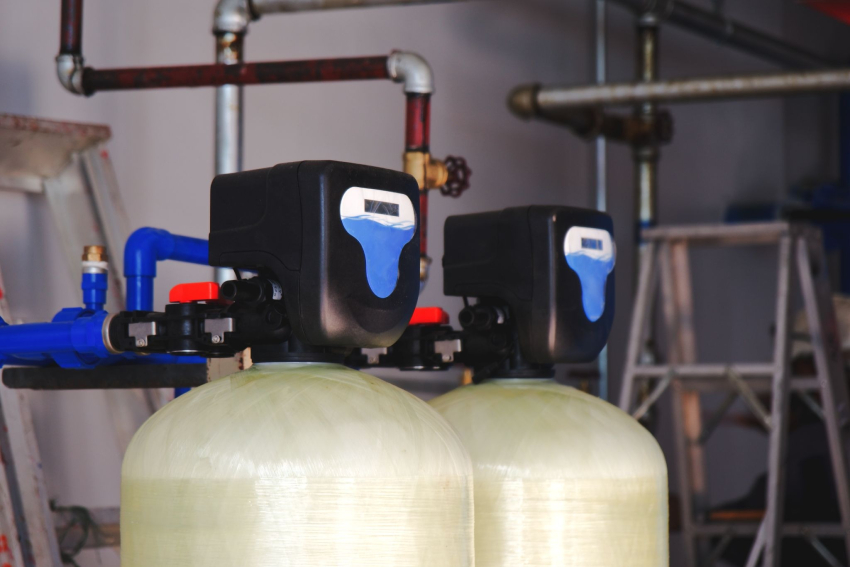
Scale on faucets, cloudy glasses, dry skin, stiff laundry, and water heater strain are all common signs of hard water. In the Indianapolis area, those issues show up often because the local water has high mineral content.
This guide to water softeners explains what a water softener does, how the system works, the main types of water softeners, and the signs you need a water softener. You will also learn how the right system can protect plumbing, appliances, commercial equipment, and your budget.
For homes, that means fewer hard water problems and better daily comfort. For businesses, it can mean less scale, fewer service calls, longer equipment life, and more predictable maintenance.
What is a Water Softener?
Water is a fundamental element of life, but not all water is created equal. Many regions struggle with hard water, which contains high levels of minerals like calcium and magnesium. While these minerals aren’t harmful to consume, they can wreak havoc on your plumbing, appliances, and even your skin and hair. Enter the water softener, a device designed to transform hard water into soft, more manageable water. In this blog, we’ll delve into what water softeners are, how they work, and why they’re essential for improving your water quality and overall quality of life.
What a Water Softener Does
A water softener treats incoming water before it reaches your fixtures and equipment. It removes calcium and magnesium through a process called ion exchange.
The result is softened water that works better with soap, leaves fewer spots, and reduces scale inside plumbing.
For homeowners, this can help with:
- Cleaner dishes and glassware
- Softer laundry
- Less soap waste
- Fewer fixture stains
- Longer appliance life
For businesses, it can help protect equipment that depends on clean water flow. Restaurants, hotels, apartment buildings, laundromats, medical offices, gyms, and manufacturing sites can all feel the cost of hard water.
Why Indianapolis Hard Water Is a Bigger Deal
Indianapolis water is known for its hardness. That matters because hard water issues get worse with volume, heat, and repeated use.
A single showerhead with scale is an annoyance. A commercial dish machine, boiler, or water heater with scale can become a real operating cost.
Hard water can affect:
- Water heater efficiency
- Dishwasher performance
- Boiler maintenance
- Coffee and beverage equipment
- Laundry quality
- Plumbing lifespan
- Tenant satisfaction
- Customer experience
Businesses feel this faster because they use more water each day. A restaurant may run hot water, dishwashing, ice, and beverage systems for hours. An apartment building may serve dozens or hundreds of residents. A hotel may have laundry, guest rooms, kitchens, and mechanical systems, all using water.
That is why local system sizing matters. A good water treatment company should test water hardness, review water use, and match the system to the property.
Softened Water Flows to Fixtures and Equipment
After hardness minerals are removed, softened water moves through your plumbing. It reaches sinks, showers, water heaters, dishwashers, laundry machines, and commercial equipment.
This is the part you notice day to day. Soap lathers better. Fixtures stay cleaner. Glassware has fewer spots. The equipment has less mineral buildup inside.
For commercial sites, this step is also where the return starts to show. A smaller scale can mean fewer emergency calls, less downtime, and more consistent equipment performance.
Types of Water Softeners
There are several types of water softeners and conditioners. The right choice depends on your water hardness, water use, plumbing setup, maintenance needs, and budget.
Some systems remove hardness minerals. Others condition minerals so they are less likely to stick to surfaces. Those are different outcomes, so it is important to choose carefully.
Salt-Based Ion Exchange Water Softeners
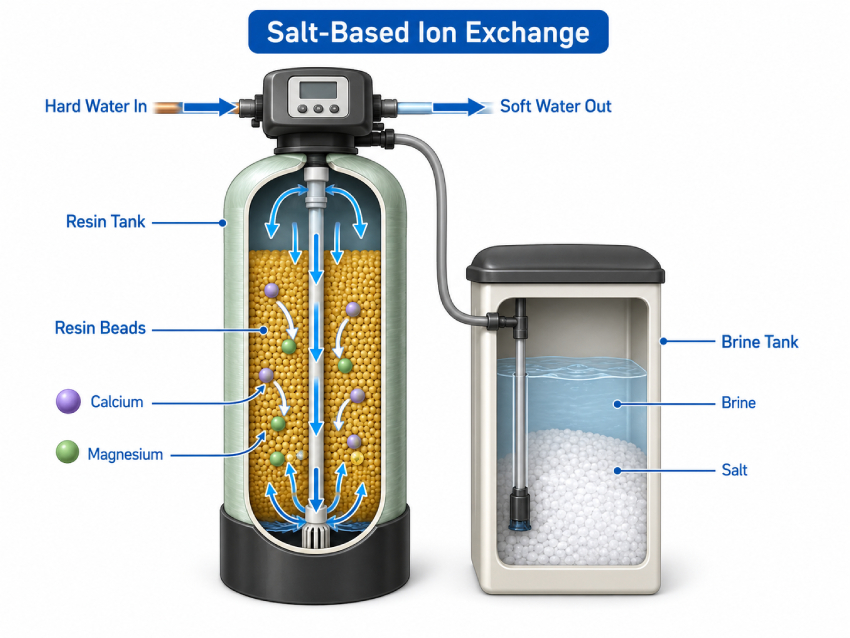
Salt-based ion exchange systems are the standard choice for true soft water. They use resin beads to remove calcium and magnesium from the water.
The system then uses a brine solution to clean the resin during regeneration. That process lets the system keep treating water over time.
Superior Indy installs systems with high-efficiency Clack valve technology and 10% crosslinked resin. That resin has 25% more crosslinking than standard 8% resin, which helps improve durability in demanding water conditions.
This matters in Indianapolis because hard water can be tough on equipment. Better components can support longer system life and more reliable performance.
Salt-Free Water Conditioners
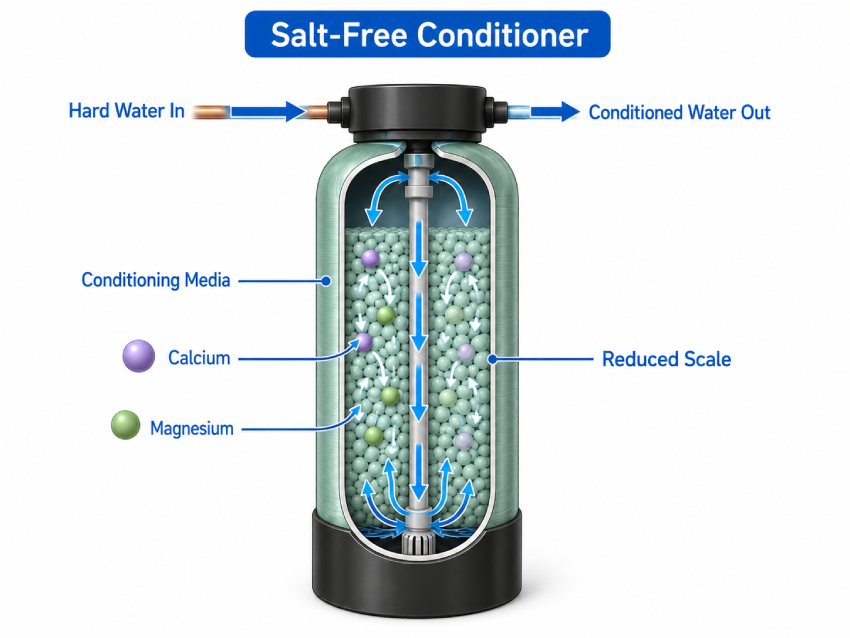
Salt-free conditioners do not remove hardness minerals. Instead, they change how minerals behave so they are less likely to form scale.
These systems can be useful in some situations. They do not require salt, and they may need less routine maintenance.
But they are not the same as a true water softener. If you want softened water for soap performance, laundry quality, and scale control in high-use systems, a salt-based softener is often the better fit.
Commercial Water Softeners
Commercial water softeners are built for higher flow rates, larger water demand, and heavier daily use. These systems need proper sizing.
A commercial system may serve:
- Restaurants
- Hotels
- Apartments
- Senior living facilities
- Gyms
- Laundromats
- Medical offices
- Schools
- Manufacturing sites
Commercial water softeners can help reduce scale in equipment, improve cleaning results, and lower maintenance strain. They can also support tenant and customer satisfaction because water quality affects daily experience.
Benefits of Using a Water Softener
Investing in a water softener offers numerous benefits, including:
- Extended Appliance Lifespan: Hard water can cause mineral buildup in appliances like water heaters, dishwashers, and washing machines, leading to reduced efficiency and premature breakdowns. By softening your water, you can extend the lifespan of these appliances and minimize costly repairs.
- Improved Water Quality: Softened water is gentler on your skin and hair, leaving them feeling smoother and less dry after bathing. Additionally, soft water reduces soap scum and residue, resulting in cleaner dishes, brighter laundry, and sparkling fixtures.
- Efficient Cleaning: Soft water enhances the effectiveness of soaps, detergents, and cleaning products, allowing them to lather more readily and dissolve grime more effectively. This not only simplifies your cleaning routine but also helps you achieve better results with less product.
- Reduced Energy Consumption: Scale buildup in water-using appliances can decrease their energy efficiency, leading to higher utility bills. By preventing mineral deposits, water softeners help appliances operate more efficiently, saving you money on energy costs in the long run.
Components of a Water Softener
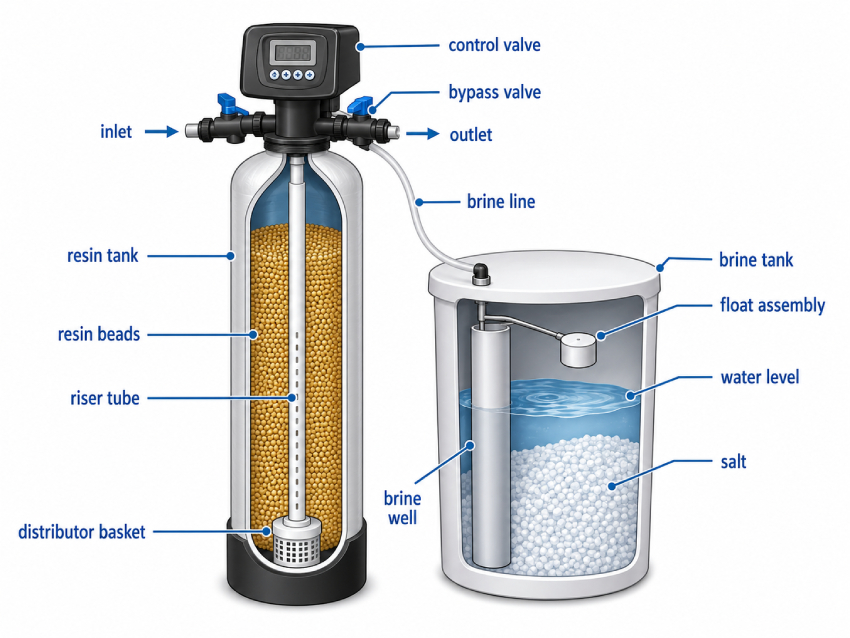
The main components of a water softener work together to remove minerals and keep the system ready.
Most salt-based systems include:
- Mineral tank: Holds the resin that removes hardness minerals.
- Resin: The medium that captures calcium and magnesium.
- Control valve: Manages water flow, metering, and regeneration.
- Brine tank: Holds salt and water for the cleaning cycle.
- Distributor tube: Moves water through the tank.
- Bypass valve: Let’s water bypass the system during service.
- Drain line: Carries discharge water away during regeneration.
The control valve is especially important. A high-quality valve helps the system run at the right time and use salt and water more efficiently.
Resin quality also matters. Superior Indy uses 10% crosslinked resin because it is more durable than standard 8% resin. That can help in areas with high hardness, chlorine exposure, or heavier use.
How Does a Water Softener Work?
The process is simple once you break it into steps.
A salt-based water softener uses ion exchange. Hard water enters the system, passes through the resin, and leaves with less calcium and magnesium.
When the resin fills with hardening minerals, the system cleans itself through regeneration. Then it is ready to treat more water.
Step 1: Hard Water Enters the System
Hard water enters the mineral tank from your main water line. That water carries calcium and magnesium.
The system should be installed where it can treat the water before it reaches key fixtures and equipment. In many homes, that means near the water heater or main supply line.
For commercial sites, placement depends on the building, equipment layout, water demand, and service access.
Step 2: Resin Removes Hardness Minerals
Inside the mineral tank, water passes through resin beads. Those beads attract calcium and magnesium.
As the water flows through the resin, hardness minerals stay behind. The treated water then continues through the plumbing.
This is the main softening step. It is also why resin quality matters. Better resin can handle demanding conditions better over time.
Step 3: Softened Water Flows to Fixtures and Equipment
Once treated, softened water moves to the parts of the property that use water. That can include sinks, showers, laundry machines, water heaters, dishwashers, boilers, and commercial kitchen equipment.
This helps reduce scale, where it usually causes the most trouble. Hot water equipment often benefits because heat makes hardness minerals more likely to form scale.
Step 4: The System Regenerates
Over time, the resin collects hard minerals. Regeneration cleans the resin so it can keep working.
During this cycle, the system pulls brine from the brine tank. The salt solution flushes calcium and magnesium off the resin.
A metered control valve can trigger regeneration based on actual water use. That helps reduce waste compared with older time-based systems.
Step 5: The System Rinses and Resets
After regeneration, the system rinses the resin and sends discharge water to the drain. Then it refills the brine tank and returns to normal service.
A well-set system should regenerate at the right frequency. If it regenerates too often, you waste salt and water. If it waits too long, hard water can break through.
Installation of Water Softeners
The installation of water softeners should start with water testing and system sizing. Guessing on size is a bad plan.
A system that is too small may run out of capacity. A system that is too large may cost more than needed or perform poorly.
A proper installation should account for:
- Water hardness
- Water use
- Flow rate
- Number of people or units served
- Commercial equipment needs
- Plumbing layout
- Drain access
- Electrical access
- Service space
Professional installation also helps prevent leaks, pressure issues, bypass problems, and poor regeneration settings.
Residential Water Softener Installation
Residential installation usually starts with a hardness test and a review of household water use. The installer should also check plumbing access, drain options, and available space.
The system should be sized for your home, not chosen from a shelf by guesswork. A family of five needs a different setup than a one-person home.
Homeowners should also ask about salt delivery and maintenance. Water softener salt delivery can save time and help keep the system running. That matters because an empty brine tank means the system cannot regenerate properly.
Commercial Water Softener Installation
Commercial installation requires more planning. The system must support higher demand, peak flow, and the specific equipment on-site.
A restaurant, apartment building, and hotel may all need different setups. The wrong system can cause low flow, hard water breakthrough, or excess salt use.
Commercial installation should include:
- Water testing
- Flow rate review
- Equipment inventory
- Peak demand estimate
- Drain and electrical review
- Maintenance plan
- Salt use estimate
- Service access planning
For commercial properties, contact Superior Water to review system sizing, installation, salt delivery, and maintenance options.
Signs You Need a Water Softener
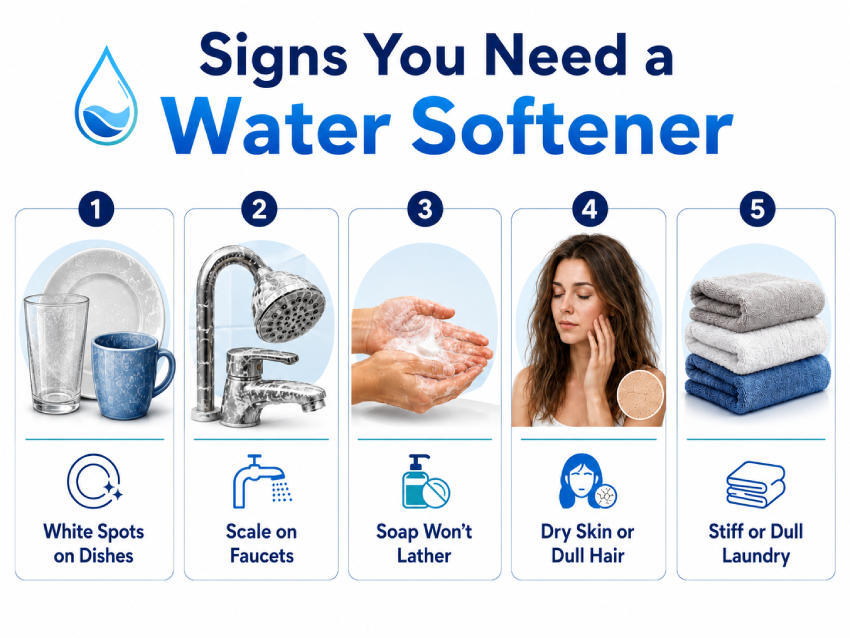
The signs you need a water softener often show up before you think about water treatment. Your fixtures, appliances, skin, laundry, and equipment may already be telling you.
Hard water problems usually build slowly. That makes them easy to ignore until repairs start.
White Spots on Dishes and Glassware
White spots on dishes and glassware often come from hard minerals left behind after water dries.
You may notice this more after using a dishwasher. Rinse aids can help, but they do not solve the mineral problem at the source.
Scale Around Faucets and Showerheads
White or chalky buildup around faucets, showerheads, and drains is a common hard water sign.
You can clean it off, but it usually comes back. A softener helps reduce the mineral deposits that cause the buildup.
Soap Does Not Lather Well
Hard water makes soap less effective. You may use more shampoo, body wash, dish soap, or detergent to get the same result.
Softened water helps soap lather and rinse better. That can reduce product waste over time.
Dry Skin or Dull Hair
Hard water can leave mineral residue on skin and hair. Some people notice dry skin, dull hair, or a film after showering.
A water softener may help reduce that residue. It will not replace personal care needs, but it can improve how water feels.
Stiff or Dull Laundry
Hard water can make towels, sheets, and clothes feel stiff. It can also make colors look dull.
Softened water helps detergent work better. That can improve rinse quality and reduce mineral buildup in fabric.
Frequent Appliance Issues
Water heaters, dishwashers, washing machines, ice makers, and coffee equipment can all suffer from scale.
If appliances need frequent service, hard water may be part of the problem. Treating the water can help protect those investments.
Tenant or Customer Complaints
For property managers and businesses, complaints about water spots, laundry quality, shower feel, or equipment performance can point to hard water.
Those complaints matter because water quality affects how people judge a property or business. Fixing the source can reduce repeated issues.
High Salt Use or Poor Softener Performance
If you already have a softener but still see hard water signs, the system may need service. It may be undersized, set wrong, low on salt, or using worn resin.
A service visit can check settings, salt use, resin condition, and regeneration cycles.
FAQs about Water Softeners
These common questions can help you decide whether a softener fits your home or business.
Do I really need a water softener in Indianapolis?
Many Indianapolis-area homes and businesses benefit from a water softener because local water is hard. If you see scale, spots, soap problems, or equipment issues, testing your water is a smart first step.
What does a water softener actually do?
A water softener removes calcium and magnesium from water. Those minerals cause scale, spots, soap waste, and buildup in plumbing and equipment.
How much does a water softener cost?
Cost depends on system size, equipment quality, plumbing needs, and whether the property is residential or commercial. A small home system costs less than a commercial system sized for heavy daily use. The best next step is a water test and a quote.
What size water softener do I need?
Sizing depends on hardness, water use, flow rate, and the number of people or fixtures served. Commercial sizing also depends on peak demand and equipment type.
Are salt-based water softeners better than salt-free systems?
Salt-based systems remove hardness minerals. Salt-free systems condition minerals but do not create true soft water. For heavy hardness, soap performance, and commercial equipment protection, salt-based systems are often the better choice.
Is a Water Softener Worth It?
A water softener is worth it when hard water is costing you time, comfort, equipment life, or repair money. In Indianapolis, that is common.
For homeowners, the value can show up in cleaner fixtures, better laundry, fewer spots, and less scale in appliances. For businesses, the value often comes from reduced maintenance strain, better equipment performance, and fewer water-related complaints.
The right system matters. Premium components, proper sizing, and routine service make a real difference. Superior Indy uses high-efficiency Clack valve systems and 10% cross-linked resin to support long-term performance in local water conditions.If you want help choosing a system, scheduling service, or setting up water softener salt delivery, contact Superior Water. This guide to water softeners is a strong starting point, but a water test will show what your property actually needs.